01

Banff in March

Book Banff

Book Banff National Park Adventures and Attractions. Banff National Park's towering peaks and beautiful meadows make it among Canada's most incredible holiday areas. Plan your Canadian Rockies vacation and Book Banff's most popular attractions.

Book Banff National Park Book Banff
Banff National Park Wildlife

02

Banff National Park

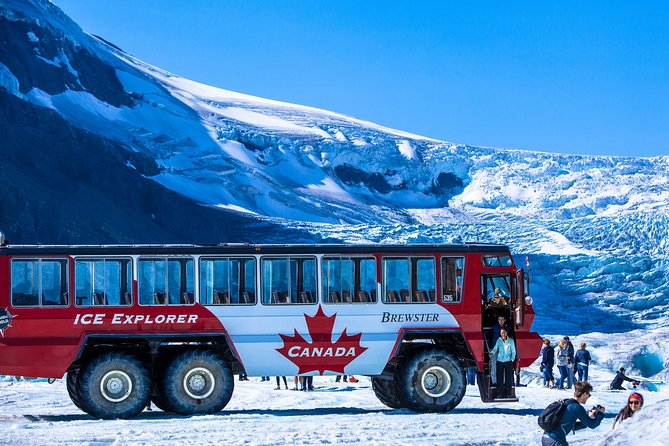
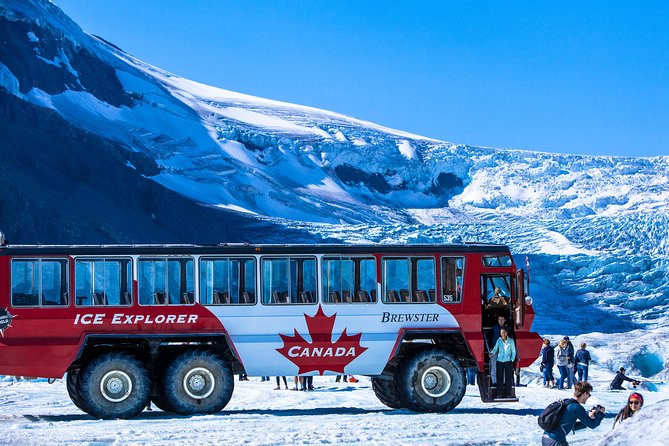
Columbia Icefield Tour & Glacier Skywalk

Columbia Icefield Tour including the Glacier Skywalk from Icefield Glacier Discovery Centre. Discover the awe-inspiring mountain scenery and massive glaciers of Alberta's Rocky Mountain region on this Columbia Icefields tour.

Jasper Columbia Icefield Tour & Glacier Skywalk
Book Glacier Skywalk and Athabasca Glacier Tour Jasper Columbia Icefield Home
Jasper Wildlife Tour Videos

03

Banff in March

Banff Gondola Ride Admission

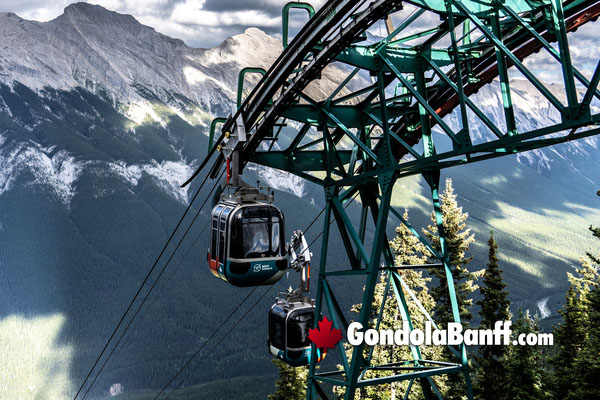
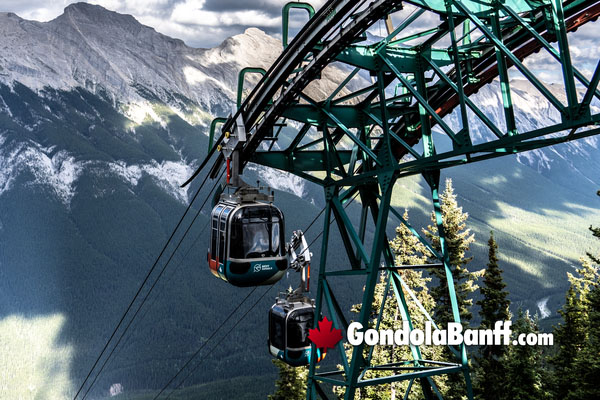
The Popular Banff Gondola provides visitors with an amazing scenic ride to the summit of Sulphur Mountain, offering panoramic views of the Canadian Rockies and the Bow Valley.

Banff Gondola at Sulphur Mountain
*Purchasing Gondola Tickets in Advance is Recommended. Book the Banff Gondola Banff Gondola Home
Banff National Park Wildlife

March in Banff National Park

March in Banff marks the transition from deep winter toward early spring. Snow coverage remains strong across the valley and alpine, yet daylight hours extend noticeably.


Canadian Rockies Winter Wildlife Tour - Banff in April

Book Banff's Wildlife Tour


Things to Do in Banff During March

March in Banff marks the transition from deep winter toward early spring. Snow coverage remains strong across the valley and alpine, yet daylight hours extend noticeably, and temperatures begin moderating compared to January and February. The result is a dynamic month: reliable winter recreation paired with brighter skies and longer afternoons. Visitor numbers increase during school breaks, but outside peak weeks, the pace can still feel balanced.

Banff Spring Skiing & March Snowboarding

March is one of the most popular ski months of the season.
Banff Sunshine Village typically maintains consistent snow quality due to its high elevation, often delivering soft snow conditions and periodic late-season refreshes.
Lake Louise Ski Resort offers broad terrain diversity, from groomed cruisers to alpine bowls. As temperatures moderate, afternoon skiing becomes more comfortable while mornings often preserve firmer snow surfaces.
Longer daylight allows for extended time on the slopes, and patios begin to reopen on sunnier days toward late March.

Banff Cross-Country Skiing & March Snowshoeing

Nordic skiing remains strong through March. Groomed trails near the townsite and along valley corridors typically hold snow well, though sun exposure can soften surfaces in the afternoon.
Snowshoeing continues to be widely accessible, particularly in forested areas where snowpack remains deep. The combination of brighter skies and reflective snow creates high-contrast winter landscapes, especially in the mornings.

Banff's Frozen Lakes & Emerging Change in March

Lakes remain frozen through most of March.
Lake Louise presents a broad winter landscape framed by snowbound peaks. Shoreline walking routes remain accessible, though ice stability should always be locally verified before any surface activity.
Lake Minnewanka continues as a frozen corridor, though subtle seasonal shifts-stronger sun angles and minor surface melt patterns-begin appearing later in the month.
By late March, daytime warmth may initiate small-scale melting near townsite pathways.

Banff Gondola & Expanding Daylight of March

The Banff Gondola operates throughout March, offering access to summit views atop Sulphur Mountain. Increasing daylight improves visibility windows and allows for later-afternoon visits.
Winter conditions remain in place at summit elevation, with wind chill still a factor. Clear March days often provide sharp visibility and strong photographic contrast.

March Wildlife & Seasonal Activity in Banff

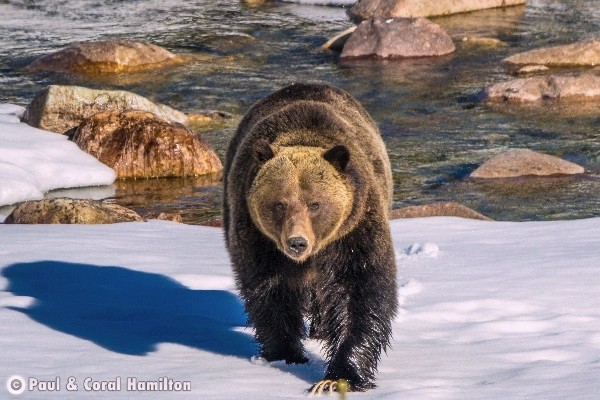
Wildlife remains visible in valley areas, particularly elk and deer. As daylight increases and temperatures rise slightly, animal movement gradually increases. Bears typically remain denned through most of March, though exact timing varies by year.
Maintaining distance from wildlife is essential, particularly during late-winter energy conservation periods.

Banff Hot Springs & March Relaxation

The Banff Upper Hot Springs remains highly appealing in March. The contrast between warming air temperatures and mineral-heated water creates a comfortable recovery option after skiing or snowshoeing.
Restaurants and indoor attractions operate steadily, with spring-break weeks producing higher demand.

Practical Considerations

Conditions can vary from full winter to mild spring afternoons.
Layering is critical, especially for temperature swings between morning and afternoon.
Snowpack remains substantial; winter tires are still required.
Book ski services in advance during school break periods.

March in Banff delivers a balanced winter-spring hybrid: dependable snow conditions, extended daylight, and the first subtle signals of seasonal transition-ideal for visitors seeking winter recreation with improving comfort and light.

Banff Gondola During March

Most visitors spend between two and four hours enjoying the gondola ride, summit boardwalk, scenic viewpoints, interpretive experiences, dining, and shopping. Whether visiting during the day to admire the snow-covered mountains or later in the afternoon to watch the sun cast golden light across the Rockies, the Banff Gondola in March delivers one of the finest mountain experiences in Canada.

Banff Gondola During March

Banff Gondola During March

March is a wonderful time to experience the Banff Gondola as winter gradually begins to transition toward spring. Snow still blankets Sulphur Mountain, the surrounding peaks remain brilliantly white, and visitors can enjoy spectacular panoramic views across Banff National Park. The combination of snowy landscapes, longer daylight hours, and generally milder temperatures makes March an excellent month to visit.

The ride to the summit offers breathtaking views of Banff, the Bow Valley, Cascade Mountain, Mount Rundle, and countless snow-covered peaks stretching across the horizon. On clear days, visibility is often exceptional, allowing visitors to appreciate the vast scale of the Canadian Rockies from the comfort of the enclosed gondola cabins.

At the summit, the boardwalk leading toward Sanson's Peak remains one of the highlights of the experience. Snow-covered pathways and sweeping mountain vistas create unforgettable scenery, while the elevated viewpoint provides spectacular opportunities to admire Banff from above. Visitors should expect winter conditions on the boardwalk and wear appropriate footwear for snow and ice.

The upper terminal provides a warm retreat after spending time outdoors. Restaurants, cafés, interpretive exhibits, gift shops, and comfortable indoor seating allow visitors to relax while continuing to enjoy panoramic mountain views through large windows. Many guests spend time exploring both the outdoor viewpoints and the indoor attractions during their visit.

March is also an excellent month for photography. Fresh snow often remains on the surrounding mountains, while the increasing strength of the spring sunshine creates brilliant blue skies and outstanding visibility. Sunrise, sunset, and the golden light of late afternoon produce especially beautiful images of the surrounding peaks and valleys.

Wildlife becomes increasingly active as spring approaches. Elk and mule deer are frequently seen in the Bow Valley below, while ravens, gray jays, Clark's nutcrackers, and other mountain birds are commonly spotted around the summit. Although bears are beginning to emerge later in the season, sightings remain relatively uncommon during most of March.

Weather conditions can vary considerably throughout the month. Winter temperatures are still common at the summit, particularly during early March, while later in the month visitors may experience slightly milder conditions. Strong winds are always possible at higher elevations, so warm layered clothing, insulated jackets, hats, gloves, and waterproof footwear remain highly recommended.

Most visitors spend between two and four hours enjoying the gondola ride, summit boardwalk, scenic viewpoints, interpretive experiences, dining, and shopping. Whether visiting during the day to admire the snow-covered mountains or later in the afternoon to watch the sun cast golden light across the Rockies, the Banff Gondola in March delivers one of the finest mountain experiences in Canada. Banff Gondola

Jasper Columbia Icefields in March

Although the glacier tours and Skywalk are generally unavailable during March, the Columbia Icefield remains one of the most spectacular destinations along the Icefields Parkway. Its immense glaciers, breathtaking mountain scenery, peaceful winter atmosphere, and outstanding wildlife viewing make it an unforgettable stop for anyone exploring the Canadian Rockies in late winter.

Jasper Columbia Icefields in March

Jasper Columbia Icefields in March

March is a spectacular time to visit the Columbia Icefield, as winter still dominates the landscape while the first hints of spring begin to appear in the valleys. The Athabasca Glacier remains covered in deep snow, surrounding mountain peaks are brilliantly white, and the entire icefield creates one of the most dramatic alpine landscapes in the Canadian Rockies.

Although visitors can admire the Columbia Icefield throughout March, the Columbia Icefield Adventure and Ice Explorer glacier tours are typically still closed for the winter season. The Glacier Skywalk also remains closed during most or all of March, depending on seasonal conditions. Instead, visitors come to enjoy the incredible roadside viewpoints and the breathtaking scenery surrounding the Athabasca Glacier.

The drive along the Icefields Parkway is one of the highlights of a March visit. Snow-covered mountains, frozen lakes, ice-covered waterfalls, and vast glaciers line the route, creating spectacular scenery from Lake Louise to Jasper. As daylight hours become longer, visitors have more time to enjoy the viewpoints and photograph the changing winter landscape.

The Athabasca Glacier is especially impressive during March. The glacier descends from the Columbia Icefield between towering mountain peaks, creating an immense frozen landscape that can be appreciated from the Discovery Centre area and nearby viewpoints. Fresh snow often highlights the glacier's natural contours, while clear skies provide remarkable visibility across the surrounding icefields.

Wildlife becomes increasingly active as spring approaches. Mountain goats are frequently seen on rocky cliffs near the highway, while bighorn sheep, elk, deer, coyotes, foxes, wolves, and occasionally moose may also be spotted throughout the region. March is an excellent month for wildlife viewing, particularly during the early morning and late afternoon.

Road conditions along the Icefields Parkway still require careful attention. Snow-packed pavement, icy sections, and changing mountain weather remain common throughout March. Winter tires are essential, and visitors should carry emergency supplies, warm clothing, food, and water when traveling through this remote part of the Canadian Rockies.

Temperatures remain below freezing for much of the month, especially at the higher elevations surrounding the Columbia Icefield. Warm layered clothing, insulated jackets, waterproof boots, hats, gloves, and windproof outerwear are recommended for anyone stopping to explore the viewpoints or spend time outdoors.

Photography opportunities are outstanding during March. The combination of fresh snow, ancient glaciers, dramatic mountain peaks, and increasingly longer daylight creates exceptional conditions for landscape photography. Sunrise and sunset often cast warm golden light across the snow-covered mountains, producing unforgettable images.

Although the glacier tours and Skywalk are generally unavailable during March, the Columbia Icefield remains one of the most spectacular destinations along the Icefields Parkway. Its immense glaciers, breathtaking mountain scenery, peaceful winter atmosphere, and outstanding wildlife viewing make it an unforgettable stop for anyone exploring the Canadian Rockies in late winter. Jasper Columbia Icefields

Columbia Icefields Glacier Skywalk During March

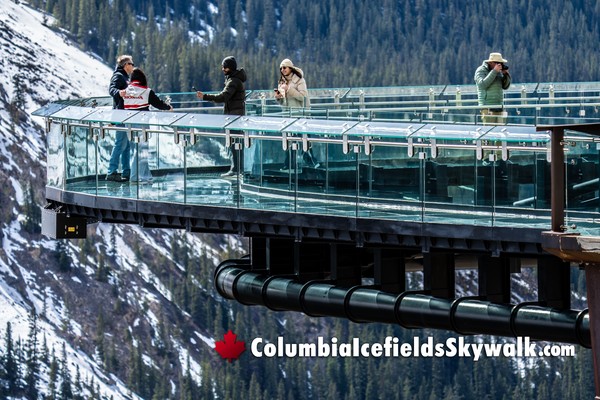
Although the Columbia Icefield Skywalk itself is generally unavailable in March, the surrounding Columbia Icefield remains one of the most spectacular destinations in the Canadian Rockies. Visitors can still experience incredible glacier views, peaceful winter landscapes, excellent wildlife viewing, and one of the world's most scenic mountain highways before the Skywalk reopens later in the spring.

Columbia Icefields Glacier Skywalk During March

Columbia Icefields Glacier Skywalk During March

The Columbia Icefield Skywalk is typically closed throughout March as winter conditions continue across the Canadian Rockies. Deep snow, ice, and freezing temperatures remain common at this high elevation, and the attraction normally stays closed until the spring season. While visitors cannot access the glass observation platform, the surrounding Columbia Icefield area still offers some of the most breathtaking mountain scenery in North America.

Even with the Skywalk closed, the nearby viewpoints overlooking the Athabasca Glacier provide unforgettable views of towering peaks, vast glaciers, and snow-covered valleys. The dramatic landscape surrounding the Columbia Icefield is every bit as impressive in March, making it a worthwhile stop while traveling the Icefields Parkway.

March is an excellent month to appreciate the scale of the glaciers that have shaped this region for thousands of years. Snow blankets the surrounding mountains, while the immense icefields stretch across the Continental Divide, creating a spectacular alpine wilderness unlike anywhere else in Canada.

The drive to the Columbia Icefield remains one of the highlights of a March visit. The Icefields Parkway passes frozen lakes, icy waterfalls, snow-covered forests, and countless mountain viewpoints, offering exceptional scenery throughout the journey. Longer daylight hours compared to midwinter provide more opportunities to stop and enjoy the landscape.

Wildlife becomes more active during March as spring slowly approaches. Visitors may spot mountain goats on rocky slopes, bighorn sheep along the roadside, as well as elk, deer, coyotes, foxes, wolves, and occasionally moose. Early morning and late afternoon are often the best times for wildlife viewing.

Road conditions remain fully winter-like throughout much of March. Snow-covered pavement, icy sections, blowing snow, and rapidly changing weather can occur at any time. Winter tires are essential, and visitors should carry emergency supplies when traveling through this remote section of the Canadian Rockies.

Temperatures frequently stay below freezing during March, particularly around the Columbia Icefield. Warm layered clothing, insulated jackets, waterproof boots, hats, gloves, and windproof outerwear are recommended for anyone planning to spend time outdoors at the viewpoints.

Photography is outstanding throughout the month. Fresh snow enhances the rugged mountain scenery, while clear mountain air often provides remarkable visibility. The combination of glaciers, dramatic peaks, and brilliant blue skies creates stunning images, especially during the soft light of early morning and late afternoon.

Although the Columbia Icefield Skywalk itself is generally unavailable in March, the surrounding Columbia Icefield remains one of the most spectacular destinations in the Canadian Rockies. Visitors can still experience incredible glacier views, peaceful winter landscapes, excellent wildlife viewing, and one of the world's most scenic mountain highways before the Skywalk reopens later in the spring. Columbia Icefields Glacier Skywalk

Golden Skybridge in March

Photography remains one of the biggest reasons to visit the area during March. Snow-covered mountain peaks, frosted forests, dramatic canyon landscapes, and crisp mountain air create outstanding conditions for landscape photography. Clear days offer exceptional visibility across the surrounding ranges.

Golden Skybridge in March

Golden Skybridge in March

March marks the transition from winter to spring in Golden, British Columbia, but the Golden Skybridge is typically still closed for the season. Snow remains deep throughout the Columbia Valley, and the attraction continues preparing for its spring reopening. Although visitors cannot access the suspension bridges or adventure activities, the surrounding mountain scenery is exceptionally beautiful during this time of year.

The area around the Golden Skybridge remains a picturesque stop for those traveling through the region. Snow-covered forests, rugged canyon walls, and the towering peaks of the Purcell and Rocky Mountains create a dramatic alpine landscape. As temperatures slowly begin to rise, visitors may also notice the first signs of spring appearing at lower elevations while the mountains remain fully covered in snow.

March offers a quieter experience in Golden compared to the busy summer season. The town provides a peaceful base for exploring nearby winter attractions, scenic drives, and outdoor recreation while waiting for many seasonal attractions to reopen later in the spring.

Although the suspension bridges are closed, visitors can still enjoy spectacular views throughout the surrounding region. The Kicking Horse River continues flowing through the valley, and the snow-covered mountain scenery provides excellent opportunities for sightseeing and photography.

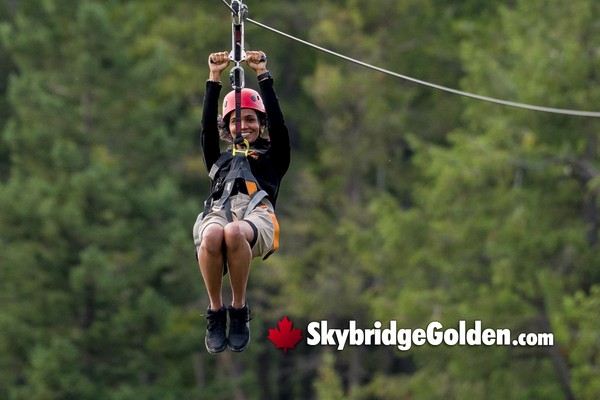
Adventure activities found at the Golden Skybridge, including the Railrider Mountain Coaster, zipline, Canyon Edge Challenge, giant canyon swing, climbing wall, and children's play areas, are generally unavailable during March. These attractions typically reopen once warmer weather and safe operating conditions return.

Wildlife becomes more active as winter gradually gives way to spring. Elk, mule deer, mountain goats, bighorn sheep, bald eagles, and other birds are commonly seen throughout the Golden area. Black bears may begin emerging toward the end of March, although sightings are still relatively uncommon during most of the month.

March weather can vary considerably. Visitors may experience bright sunshine one day and fresh snowfall the next. Temperatures often remain below freezing in the mornings and evenings, while afternoons can become noticeably milder. Dressing in warm layers, waterproof footwear, hats, and gloves allows visitors to stay comfortable throughout changing conditions.

Photography remains one of the biggest reasons to visit the area during March. Snow-covered mountain peaks, frosted forests, dramatic canyon landscapes, and crisp mountain air create outstanding conditions for landscape photography. Clear days offer exceptional visibility across the surrounding ranges.

Although the Golden Skybridge itself is typically closed throughout March, the surrounding Golden region remains well worth visiting. Spectacular mountain scenery, peaceful winter landscapes, abundant outdoor recreation, and the anticipation of spring make March an enjoyable time to experience this beautiful part of the Canadian Rockies. Golden Skybridge

Banff Lake Minnewanka Boat Cruise in March

While the famous Lake Minnewanka Boat Cruise is still waiting for the arrival of spring, March offers a unique opportunity to experience Lake Minnewanka in its quietest and most peaceful season. The frozen lake, spectacular mountain scenery, excellent wildlife viewing, and uncrowded atmosphere make it a rewarding stop for anyone exploring Banff National Park before the boating season begins.

Lake Minnewanka Boat Cruise in March

Banff Lake Minnewanka Boat Cruise in March

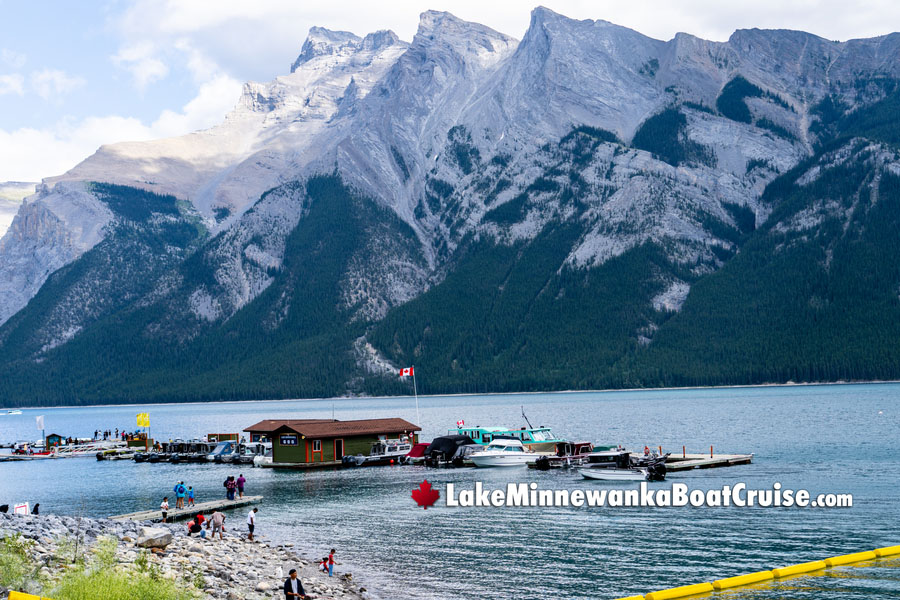
The Lake Minnewanka Boat Cruise is typically unavailable throughout March, as the lake remains frozen and winter conditions continue across Banff National Park. The cruise season usually begins later in the spring after the ice has melted and the lake is safe for navigation. While boat tours are not operating, Lake Minnewanka remains one of the most beautiful winter destinations near Banff.

During March, the lake is often covered by a thick layer of ice and surrounded by snow-covered mountain peaks. The peaceful shoreline, frozen landscape, and towering forests create a dramatic alpine setting that is very different from the bustling summer boating season. Visitors can enjoy sweeping views across the lake while experiencing the quiet atmosphere of late winter.

Although the boat cruise is closed, the Lake Minnewanka day-use area remains a popular place to visit. Visitors can stroll along sections of the shoreline, admire the frozen lake, and take in panoramic views of the surrounding mountains. The crisp mountain air and wide-open scenery make it an enjoyable stop during a drive through Banff National Park.

March is a wonderful month for photography around Lake Minnewanka. Snow-covered peaks, frozen bays, ice formations along the shoreline, and reflections on sunny days create striking winter compositions. As daylight hours become longer, photographers have more opportunities to capture both sunrise and late afternoon light across the landscape.

Wildlife is often active around the lake during March. Elk, mule deer, bighorn sheep, coyotes, foxes, and a variety of birds are commonly seen throughout the area. Toward the end of the month, black bears may begin emerging from hibernation, although sightings are still relatively uncommon.

Weather conditions can vary throughout March, with cold mornings, milder afternoons, and occasional late-season snowstorms. Visitors should wear insulated layers, waterproof winter boots, hats, gloves, and windproof clothing, as conditions near the lake can feel significantly colder when strong winds blow across the frozen surface.

Road access to Lake Minnewanka is generally maintained during March, making it one of the easier mountain lakes to visit during the winter months. Parking is usually available, although snowfall can temporarily affect road conditions. Winter tires remain essential when driving anywhere in Banff National Park during this time of year.

While the famous guided boat cruise is still waiting for the arrival of spring, March offers a unique opportunity to experience Lake Minnewanka in its quietest and most peaceful season. The frozen lake, spectacular mountain scenery, excellent wildlife viewing, and uncrowded atmosphere make it a rewarding stop for anyone exploring Banff National Park before the boating season begins. Banff Lake Minnewanka Boat Cruise

Jasper SkyTram in March

Photography conditions are excellent throughout March. Clear mountain air, snow-covered peaks, frozen rivers, and longer daylight hours create exceptional opportunities for landscape photography. Sunrise and sunset often produce warm light across the surrounding mountains, while crisp blue skies frequently follow fresh snowfall.

Jasper SkyTram Opens in March

Jasper SkyTram in March

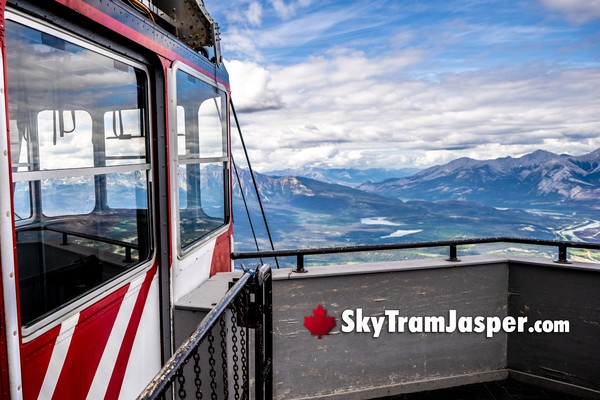
The Jasper SkyTram is typically closed throughout March as winter conditions continue on Whistlers Mountain. The tramway remains in its seasonal shutdown while crews prepare for the upcoming summer operating season. Although visitors cannot ride to the summit during this time, Jasper National Park offers spectacular late-winter scenery and many nearby attractions to enjoy.

March is a beautiful month in Jasper, with snow still covering the mountain peaks while the valley begins showing the earliest signs of spring. The surrounding landscape remains bright and peaceful, and Whistlers Mountain provides a stunning backdrop to the townsite even while the SkyTram is not operating.

Although the tram is closed, visitors can still explore Jasper's many scenic viewpoints, frozen lakes, and nearby waterfalls. Popular destinations such as Athabasca Falls, Maligne Canyon, Pyramid Lake, Patricia Lake, and the Icefields Parkway offer outstanding opportunities for sightseeing, photography, and winter recreation throughout the month.

Wildlife viewing becomes increasingly rewarding during March. Elk are commonly seen throughout Jasper, while mule deer, bighorn sheep, coyotes, wolves, foxes, moose, and mountain goats may also be spotted in various parts of the park. As the month progresses, some animals become more active with the approach of spring.

March weather remains very much winter at higher elevations. Temperatures often stay below freezing, particularly during the mornings and evenings, while afternoons can occasionally become milder. Snowfall is still common, and the surrounding mountains remain covered in deep snow well into the month.

Photography conditions are excellent throughout March. Clear mountain air, snow-covered peaks, frozen rivers, and longer daylight hours create exceptional opportunities for landscape photography. Sunrise and sunset often produce warm light across the surrounding mountains, while crisp blue skies frequently follow fresh snowfall.

Visitors planning to experience the Jasper SkyTram should consider returning later in the spring or summer when the attraction reopens. During the operating season, the tram carries visitors high above Jasper to spectacular viewpoints overlooking the Athabasca Valley, Whistlers Mountain, and the surrounding ranges.

Even though the Jasper SkyTram is closed in March, Jasper National Park remains an outstanding destination for a winter getaway. Peaceful landscapes, excellent wildlife viewing, scenic drives, frozen waterfalls, and breathtaking mountain vistas ensure there is no shortage of unforgettable experiences while waiting for the SkyTram to welcome visitors back for the summer season. Jasper SkyTram

Maligne Lake Boat Cruise During March

March transforms Maligne Lake into a peaceful alpine landscape surrounded by the snow-covered peaks of the Queen Elizabeth Ranges. The frozen lake stretches for kilometres beneath towering mountains, creating a quiet and dramatic setting that is completely different from the lively summer boating season.

Maligne Lake Boat Cruise During March

Maligne Lake Boat Cruise During March

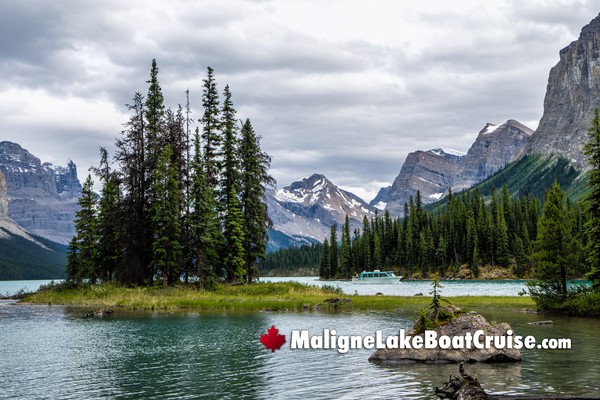
The Maligne Lake Boat Cruise is typically unavailable throughout March, as Maligne Lake remains frozen beneath a thick layer of ice and snow. The cruise season begins later in the spring once the lake has thawed and conditions are safe for navigation. While visitors cannot travel to Spirit Island during March, the lake itself remains one of Jasper National Park's most breathtaking winter destinations.

March transforms Maligne Lake into a peaceful alpine landscape surrounded by the snow-covered peaks of the Queen Elizabeth Ranges. The frozen lake stretches for kilometres beneath towering mountains, creating a quiet and dramatic setting that is completely different from the lively summer boating season.

Although the boat cruise is not operating, visitors can still enjoy the lakeshore and take in spectacular views from the day-use area. Walking along the shoreline offers beautiful perspectives of the frozen lake, snow-covered forests, and rugged mountain scenery. The peaceful atmosphere makes March an ideal time for those seeking solitude and natural beauty.

Spirit Island cannot be visited during March because it lies deep within the frozen lake and is only accessible by boat during the cruise season. The island remains hidden beneath the winter landscape until regular boat tours resume later in the year.

The drive to Maligne Lake is often one of the highlights of a March visit. Maligne Lake Road winds through forests, valleys, and mountain scenery that remain covered in snow well into the month. Wildlife sightings are common along the route, making the journey almost as memorable as the destination itself.

Wildlife becomes increasingly active as spring slowly approaches. Elk, mule deer, moose, bighorn sheep, coyotes, wolves, foxes, and a variety of birds are frequently seen throughout the Maligne Valley. Visitors who travel during the early morning or late afternoon often have the best opportunities for wildlife viewing.

March temperatures remain cold, particularly at the lake, where mountain winds can make conditions feel much colder than in Jasper townsite. Warm layered clothing, insulated jackets, hats, gloves, and waterproof winter boots are recommended for anyone planning to spend time outdoors.

Photography during March is exceptional. Snow-covered peaks, frozen shorelines, crystal-clear mountain air, and long stretches of untouched wilderness provide stunning compositions throughout the day. As daylight hours increase, visitors have more opportunities to capture both sunrise and late afternoon light across the surrounding mountains.

Although the Maligne Lake Boat Cruise is closed throughout March, the area remains one of Jasper National Park's most rewarding winter destinations. Its frozen beauty, peaceful atmosphere, outstanding mountain scenery, abundant wildlife, and scenic drive make it a memorable stop while waiting for the return of boat cruises later in the spring. Maligne Lake Boat Cruise

March at Abraham Lake

Abraham Lake in March offers a memorable combination of late-winter beauty and the first signs of spring. While the season for viewing the famous methane bubbles is beginning to draw to a close, visitors can still enjoy one of the Canadian Rockies' most unique natural attractions alongside spectacular mountain scenery, abundant wildlife, and peaceful surroundings.

March at Abraham Lake

March at Abraham Lake

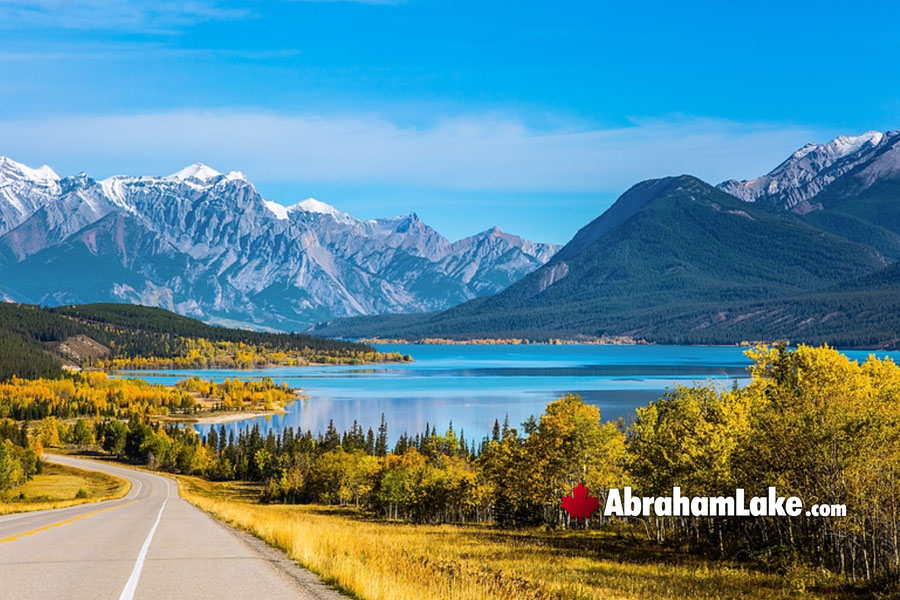
March is one of the final opportunities to experience Abraham Lake's world-famous frozen methane bubbles before warmer temperatures begin breaking down the lake ice. The lake remains one of the most unique winter destinations in the Canadian Rockies, attracting photographers and outdoor enthusiasts from around the world who come to witness this remarkable natural phenomenon.

The frozen bubbles trapped beneath the clear ice are usually still visible during much of March, particularly during the early part of the month. Weather conditions play a significant role each year, and warm temperatures or fresh snowfall can affect ice clarity. Visitors hoping to see the bubbles should check current ice conditions before making the trip.

The surrounding scenery is spectacular throughout March. Snow-covered peaks, frozen shorelines, and the turquoise ice of Abraham Lake create an unforgettable landscape along the David Thompson Highway. The contrast between the frozen lake and the towering Rocky Mountains makes every viewpoint a potential photography location.

As spring slowly approaches, conditions on the lake can become increasingly unpredictable. Ice thickness and surface quality may begin changing as temperatures fluctuate, making it important to avoid venturing onto the lake unless conditions are known to be safe. Visitors should never assume the ice is safe simply because it appears frozen.

March is generally quieter than the peak winter months, allowing visitors to enjoy the scenery without the larger crowds often seen earlier in the season. The peaceful atmosphere adds to the experience, making it easy to appreciate the vast mountain landscapes and the unique beauty of the frozen lake.

Wildlife is active throughout the surrounding area during March. Bighorn sheep are commonly seen along nearby cliffs and roadsides, while elk, deer, coyotes, foxes, wolves, and bald eagles may also be spotted. As the month progresses, some animals become increasingly active with the arrival of spring.

March weather can vary significantly from one day to the next. Visitors may experience bright sunshine, fresh snowfall, strong winds, or rapidly changing temperatures. Dressing in warm layers, waterproof boots, insulated jackets, hats, and gloves ensures a comfortable visit regardless of the conditions.

Photography remains one of the biggest draws during March. Clear ice, frozen methane bubbles, snow-covered mountains, and colourful sunrise or sunset skies create extraordinary opportunities for landscape photography. Calm mornings often provide the clearest views of the bubbles beneath the ice.

Abraham Lake in March offers a memorable combination of late-winter beauty and the first signs of spring. While the season for viewing the famous methane bubbles is beginning to draw to a close, visitors can still enjoy one of the Canadian Rockies' most unique natural attractions alongside spectacular mountain scenery, abundant wildlife, and peaceful surroundings. Abraham Lake

Athabasca Falls in March

Athabasca Falls in March offers one of the finest late-winter experiences in Jasper National Park. The powerful waterfall, remarkable ice formations, dramatic canyon, peaceful atmosphere, and stunning mountain scenery make it an unforgettable stop along the Icefields Parkway before spring fully arrives.

Athabasca Falls During March

Athabasca Falls During March

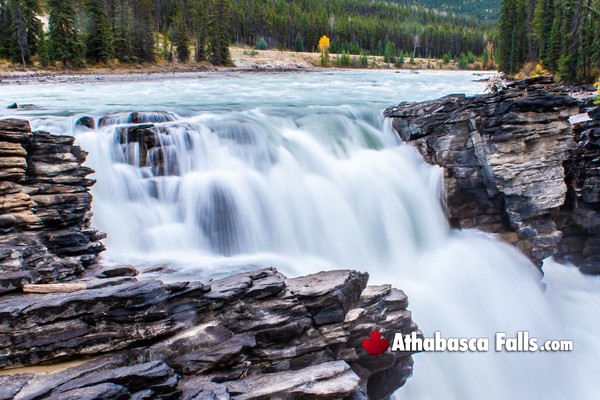
March is an outstanding time to visit Athabasca Falls, as the powerful waterfall continues flowing beneath thick layers of snow and ice. The combination of rushing water, frozen cliffs, and towering ice formations creates one of the most dramatic winter landscapes in Jasper National Park. As winter slowly transitions toward spring, the falls remain every bit as impressive as during the coldest months.

Unlike many waterfalls that freeze almost completely, Athabasca Falls continues to roar throughout March. Meltwater from the Athabasca River carves its way through the narrow limestone canyon, while massive ice formations cling to the surrounding cliffs. The contrast between flowing water and brilliant white ice makes the falls especially striking.

The viewing platforms remain excellent places to admire the waterfall from multiple angles. Visitors can safely enjoy panoramic views of the canyon, powerful rapids, and frozen rock formations while staying on maintained pathways. Every viewpoint offers a different perspective of the falls and highlights the incredible force of the river.

Walking conditions can still be icy throughout March. Packed snow, slippery pathways, and frozen sections of trail are common, particularly during the morning. Waterproof winter boots with good traction are highly recommended, and many visitors find ice cleats useful for added stability. Staying behind safety barriers is essential, as the canyon edges remain extremely dangerous year-round.

March is generally quieter than the busy summer season, allowing visitors to experience Athabasca Falls in a peaceful setting. With fewer people on the trails, it is easier to take in the sound of the rushing water, admire the frozen landscape, and spend time photographing the scenery without large crowds.

Wildlife becomes increasingly active as spring approaches. Elk, mule deer, bighorn sheep, coyotes, wolves, foxes, and occasionally moose may be seen throughout the surrounding forests and along nearby roads. Various mountain birds are also active around the river corridor.

Weather conditions remain winter-like for much of March. Temperatures frequently stay below freezing, although milder afternoons become more common later in the month. Warm layered clothing, insulated jackets, hats, gloves, and waterproof footwear will help visitors stay comfortable while exploring the falls.

Photography is exceptional throughout March. Towering ice formations, flowing water, snow-covered forests, and the rugged canyon combine to create spectacular compositions. Early morning and late afternoon light often adds warm tones to the icy landscape, while fresh snowfall creates an especially pristine appearance.

Athabasca Falls in March offers one of the finest late-winter experiences in Jasper National Park. The powerful waterfall, remarkable ice formations, dramatic canyon, peaceful atmosphere, and stunning mountain scenery make it an unforgettable stop along the Icefields Parkway before spring fully arrives. Athabasca Falls

Banff Bow Lake in March

Bow Lake in March offers a peaceful and unforgettable late-winter experience. Although the lake remains frozen, its dramatic mountain scenery, quiet surroundings, excellent wildlife viewing, and spectacular location along the Icefields Parkway make it one of the finest stops for visitors exploring the Canadian Rockies before spring fully arrives.

Banff Bow Lake in March

Banff Bow Lake in March

March is a beautiful time to visit Bow Lake, as the lake remains frozen beneath a blanket of snow while the surrounding peaks continue to showcase the beauty of the Canadian Rockies in late winter. The peaceful atmosphere, crisp mountain air, and spectacular alpine scenery make Bow Lake one of the most rewarding stops along the Icefields Parkway during this season.

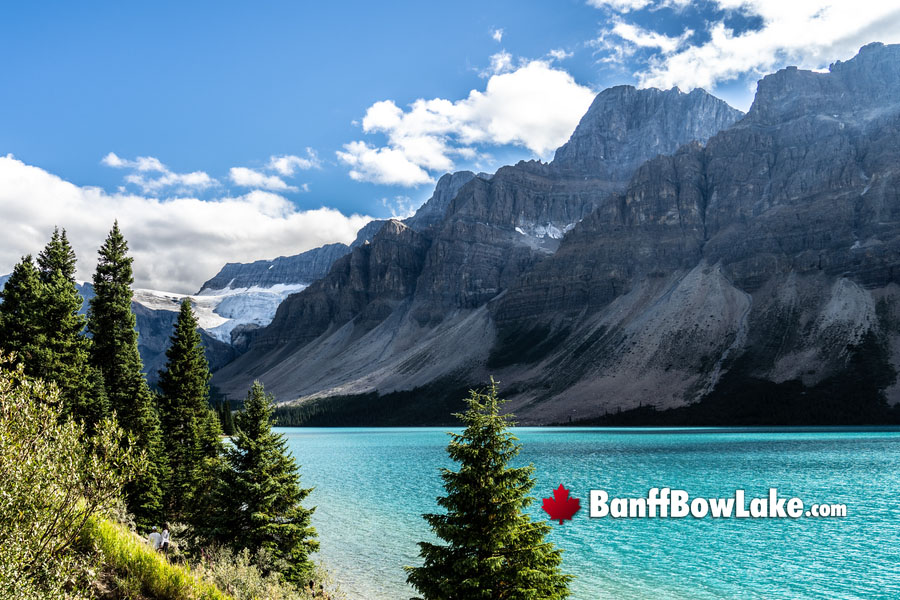
The lake is typically completely frozen throughout March, creating a vast white landscape framed by Crowfoot Mountain, Bow Glacier, and other towering peaks. While the famous turquoise water remains hidden beneath the ice, the snow-covered setting offers a completely different but equally breathtaking experience.

March is noticeably quieter than the summer months, allowing visitors to enjoy the scenery without large crowds. The silence of the frozen lake, combined with the dramatic mountain backdrop, creates a peaceful environment that is perfect for sightseeing, photography, and simply appreciating the natural beauty of the area.

The shoreline is often accessible, although snow and ice cover much of the ground. Visitors should wear waterproof winter boots with good traction, as icy conditions are common. Remaining on established viewpoints and avoiding travel onto the frozen lake unless conditions are known to be safe is always recommended.

The drive to Bow Lake is one of the highlights of a March visit. The Icefields Parkway remains lined with snow-covered forests, frozen waterfalls, and spectacular mountain vistas. As daylight hours increase, visitors have more time to stop at scenic viewpoints and enjoy one of Canada's most beautiful mountain highways.

Wildlife becomes more active during March as spring gradually approaches. Bighorn sheep, mountain goats, elk, deer, coyotes, foxes, and occasionally wolves may be seen throughout the surrounding valleys and mountain slopes. Birdlife also becomes increasingly active toward the end of the month.

Weather conditions remain firmly winter-like. Temperatures are often well below freezing in the morning, while afternoons may become slightly milder depending on the weather. Strong mountain winds are common, so dressing in warm layers, insulated outerwear, hats, gloves, and waterproof footwear is essential for a comfortable visit.

Photography is exceptional throughout March. Fresh snow covering the mountains, the frozen lake stretching across the valley, and the brilliant blue skies often seen after winter storms create outstanding opportunities for landscape photography. Sunrise and sunset provide particularly beautiful lighting across the surrounding peaks.

Bow Lake in March offers a peaceful and unforgettable late-winter experience. Although the lake remains frozen, its dramatic mountain scenery, quiet surroundings, excellent wildlife viewing, and spectacular location along the Icefields Parkway make it one of the finest stops for visitors exploring the Canadian Rockies before spring fully arrives. Banff Bow Lake

Banff Wildlife During March

March offers some of the year's best wildlife viewing because animals are active, visitor numbers remain relatively low, and the snowy landscape makes wildlife easier to spot. By observing from a respectful distance, carrying binoculars or a camera with a zoom lens, and exploring during the quieter hours around sunrise and sunset, visitors have an excellent chance of experiencing the remarkable wildlife that makes Banff National Park so special.

Banff Wildlife During March

Banff Wildlife During March

March is a fascinating month for wildlife viewing in Banff National Park as winter slowly gives way to spring. Snow still blankets much of the landscape, but longer daylight hours and slightly warmer temperatures encourage many animals to become more active. Visitors who spend time driving scenic roads or exploring lower-elevation trails often have excellent opportunities to observe wildlife in its natural habitat.

Elk are among the most commonly seen animals during March. Large herds are frequently spotted grazing in the Bow Valley, around Banff townsite, and in open meadows where snow has begun to melt. Bull elk have shed their antlers by this time of year, while females and younger animals remain active throughout the valley.

Bighorn sheep are also easy to find during March. They often gather along rocky slopes and roadcuts where winds expose grasses and vegetation. Rams can frequently be seen resting on cliffs or feeding near highways, providing excellent viewing opportunities from a safe distance.

Deer remain active throughout the park during late winter. Mule deer and white-tailed deer are commonly seen feeding in open areas, especially during the early morning and late afternoon. As spring approaches, they spend more time grazing where fresh vegetation begins emerging beneath the melting snow.

Coyotes are frequently observed hunting in open fields and valley bottoms during March. Their thick winter coats help them blend into the snowy landscape as they search for small mammals. Foxes are also occasionally seen, particularly around forest edges and quiet meadows where they hunt beneath the snow.

Wolves are present throughout Banff National Park but remain elusive. March can be one of the better months to spot them, as they continue traveling through the valleys while snow still makes tracks easier to identify. Most sightings occur along quieter roads or in more remote sections of the park, usually during dawn or dusk.

Black bears may begin emerging from hibernation toward the end of March, particularly during mild years. However, most bears remain denned for much of the month, and sightings are still relatively uncommon compared to April and May. Visitors should always remain alert and follow wildlife safety guidelines, even during the early spring season.

Mountain goats are less common around Banff than in some neighbouring areas but can occasionally be seen on steep cliffs and high rocky terrain. Golden eagles, bald eagles, ravens, gray jays, Clark's nutcrackers, woodpeckers, and other birds also become increasingly active as daylight increases and spring draws closer.

March offers some of the year's best wildlife viewing because animals are active, visitor numbers remain relatively low, and the snowy landscape makes wildlife easier to spot. By observing from a respectful distance, carrying binoculars or a camera with a zoom lens, and exploring during the quieter hours around sunrise and sunset, visitors have an excellent chance of experiencing the remarkable wildlife that makes Banff National Park so special. Canadian Rockies Wildlife Wildlife On Video

Camping in Banff During March

Camping in Banff during March offers a peaceful and memorable way to experience the Canadian Rockies before the arrival of the busy summer season. Snow-covered mountains, excellent wildlife viewing, quiet campgrounds, and easy access to some of Canada's most spectacular winter landscapes make March an outstanding time for adventurous campers seeking a true mountain experience.

Camping in Banff During March

Camping in Banff During March

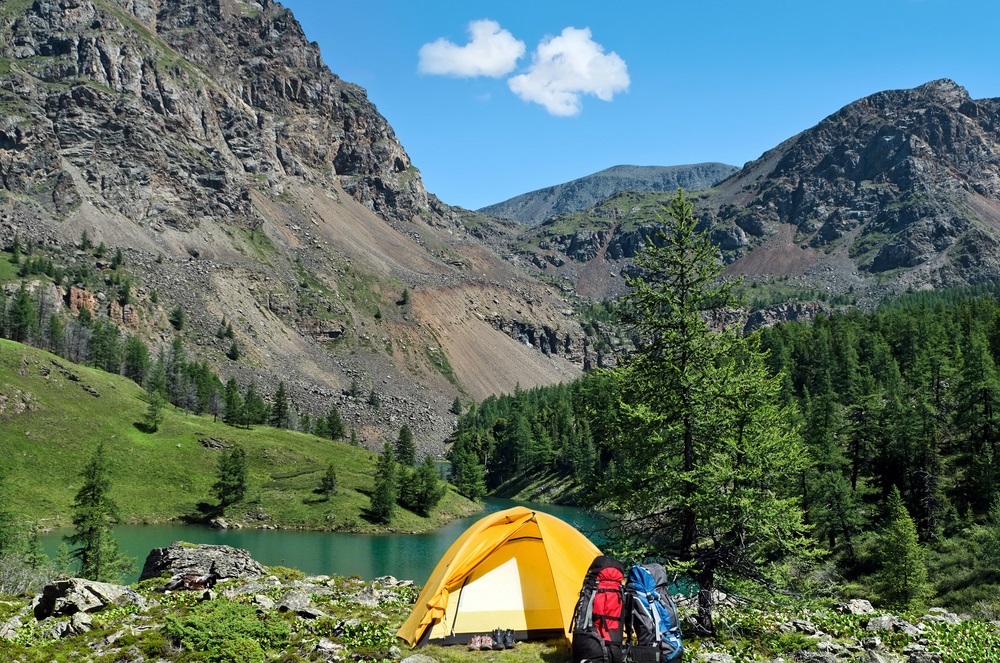
Camping in Banff during March is a true late-winter experience that appeals to visitors looking for peaceful campgrounds, snowy mountain scenery, and easy access to outdoor adventures. While most campgrounds remain closed until spring, a limited number of year-round campgrounds provide opportunities to camp in the heart of the Canadian Rockies surrounded by snow-covered peaks.

Winter camping in March requires preparation for cold temperatures and changing mountain weather. Overnight temperatures frequently fall well below freezing, although daytime conditions gradually become milder as the month progresses. Campers should arrive with four-season tents or suitable RVs, warm sleeping systems, insulated clothing, and equipment designed for winter conditions.

The quieter campgrounds are one of the biggest advantages of camping during March. Unlike the busy summer season, campsites are generally much easier to reserve, allowing visitors to enjoy a peaceful atmosphere with fewer neighbours and plenty of space to appreciate Banff's mountain surroundings.

March is an excellent month for combining camping with winter recreation. Visitors can enjoy snowshoeing, cross-country skiing, winter hiking, scenic drives, wildlife viewing, photography, downhill skiing at nearby resorts, or relaxing in the Banff Upper Hot Springs after a day spent outdoors.

Wildlife remains active throughout the Bow Valley during March. Elk, mule deer, bighorn sheep, coyotes, foxes, and a variety of birds are commonly seen near campgrounds and roadways. Black bears may begin emerging toward the end of the month during warmer periods, making it important to continue following proper wildlife safety practices and secure all food and scented items.

Roads leading to year-round campgrounds are generally maintained throughout March, although snowfall and icy conditions are still possible. Winter tires are strongly recommended, and visitors should be prepared for changing weather, especially when traveling through mountain passes or along higher-elevation roads.

Campground facilities vary during the winter season. Heated washrooms are often available at year-round locations, while some services commonly found in summer may remain unavailable until later in the spring. Checking available amenities before arriving helps ensure a comfortable stay.

March weather can be unpredictable, with sunshine, fresh snowfall, or windy conditions all possible within the same week. Dressing in warm layers, waterproof outerwear, insulated boots, hats, and gloves allows campers to stay comfortable while enjoying the outdoors throughout the day.

Camping in Banff during March offers a peaceful and memorable way to experience the Canadian Rockies before the arrival of the busy summer season. Snow-covered mountains, excellent wildlife viewing, quiet campgrounds, and easy access to some of Canada's most spectacular winter landscapes make March an outstanding time for adventurous campers seeking a true mountain experience. Banff Camping

Hiking in March

Hiking in Banff during March provides an unforgettable blend of winter adventure and early spring beauty. By choosing appropriate lower-elevation trails, preparing for changing weather, and respecting wildlife and mountain conditions, visitors can enjoy some of the most scenic and peaceful hiking experiences of the year in the Canadian Rockies.

Hiking in March

Hiking in March

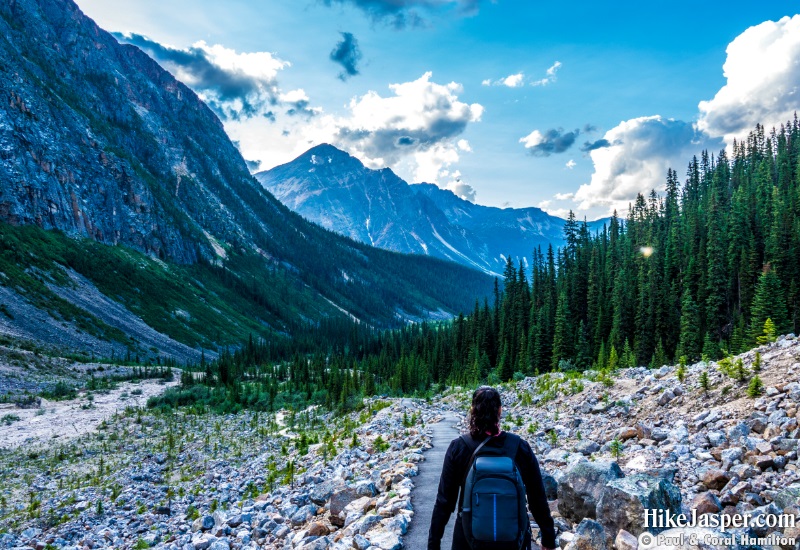
March is an excellent month for hiking in Banff National Park, offering a mix of winter conditions and the first signs of spring. Lower-elevation trails remain popular, while the surrounding mountains are still covered in deep snow. Longer daylight hours and slightly milder temperatures make March a comfortable time to explore many of Banff's scenic hiking areas.

Most lower-elevation trails remain accessible throughout the month. Popular routes such as Johnston Canyon, Tunnel Mountain, Fenland Trail, Sundance Canyon, and sections around Vermilion Lakes are often well-traveled, with packed snow making them easier to follow. Conditions can vary daily, so hikers should always be prepared for snow and ice.

Higher-elevation hikes remain firmly in winter conditions during March. Deep snow, cornices, avalanche hazards, and icy terrain make most alpine trails unsuitable without advanced winter experience and specialized equipment. Many summer hiking routes remain inaccessible until late spring or early summer.

Traction devices such as ice cleats are highly recommended for many March hikes. Trails frequently alternate between packed snow, ice, slush, and exposed ground as temperatures fluctuate throughout the day. Waterproof hiking boots with good ankle support provide the best comfort and stability.

March offers excellent opportunities for wildlife viewing along Banff's trail system. Elk, mule deer, bighorn sheep, coyotes, foxes, and numerous bird species are commonly seen at lower elevations. Toward the end of the month, black bears may begin emerging from hibernation, making it important for hikers to remain alert and practice proper wildlife safety.

The scenery throughout March is spectacular. Snow-covered forests, frozen rivers, dramatic mountain peaks, and partially frozen waterfalls create beautiful landscapes around nearly every trail. As spring gradually approaches, visitors may also notice flowing creeks, patches of exposed ground, and the first hints of seasonal change in the valleys.

Weather conditions can change quickly in the mountains during March. A sunny morning can quickly give way to snowfall, strong winds, or colder temperatures. Dressing in moisture-wicking layers, insulated clothing, waterproof outerwear, hats, gloves, and carrying extra warm clothing helps hikers stay comfortable throughout the day.

March is also a quieter hiking season compared to the busy summer months. Many trails are far less crowded, allowing visitors to enjoy Banff's incredible scenery in a peaceful setting. The combination of fresh mountain air, snow-covered landscapes, and fewer people creates a rewarding experience for hikers seeking solitude.

Hiking in Banff during March provides an unforgettable blend of winter adventure and early spring beauty. By choosing appropriate lower-elevation trails, preparing for changing weather, and respecting wildlife and mountain conditions, visitors can enjoy some of the most scenic and peaceful hiking experiences of the year in the Canadian Rockies. Hiking

Icefields Parkway During March

The Icefields Parkway in March delivers one of the most spectacular winter road trips in the world. With its combination of glaciers, frozen waterfalls, snow-covered peaks, abundant wildlife, and peaceful mountain scenery, it offers an unforgettable Canadian Rockies experience before the arrival of the busy summer season.

Icefields Parkway During March

Icefields Parkway During March

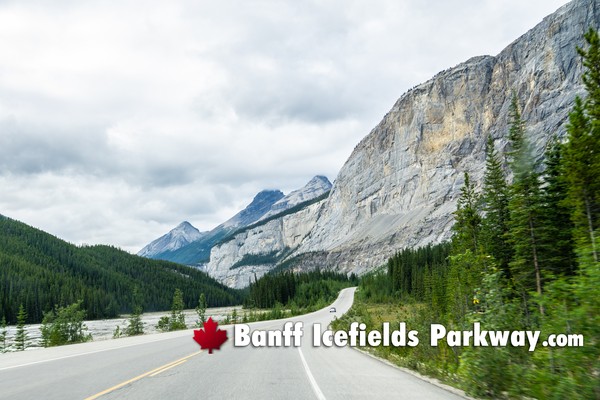
March is one of the best months to experience the Icefields Parkway, as the route remains surrounded by deep snow, towering glaciers, frozen lakes, and dramatic mountain scenery. The highway offers a true late-winter adventure, with spectacular landscapes stretching between Banff and Jasper National Parks. Longer daylight hours compared to midwinter provide more time to explore the many scenic viewpoints along the route.

The scenery throughout March is breathtaking. Snow-covered peaks dominate the skyline, while famous destinations such as Bow Lake, Peyto Lake, Athabasca Falls, Sunwapta Falls, and the Columbia Icefield showcase a completely different appearance than during the summer months. Frozen waterfalls, ice-covered rivers, and pristine forests create unforgettable views around nearly every corner.

Road conditions remain fully winter-like for much of March. Snow-covered pavement, packed snow, black ice, and blowing snow are all possible, particularly during storms or at higher elevations. Winter tires are essential, and drivers should allow extra travel time while remaining prepared for rapidly changing mountain weather.

Although many roadside viewpoints remain accessible, several seasonal attractions are still closed during March. The Columbia Icefield Adventure, Glacier Skywalk, Maligne Lake Boat Cruise, Jasper SkyTram, and other summer experiences generally do not begin operating until later in the spring. Even so, the surrounding scenery remains every bit as impressive from roadside viewpoints.

Wildlife viewing becomes increasingly rewarding during March as spring slowly approaches. Visitors frequently spot elk, mule deer, bighorn sheep, mountain goats, coyotes, foxes, wolves, and numerous bird species along the highway. Toward the end of the month, black bears may begin emerging from hibernation, although sightings are still relatively uncommon.

March weather varies considerably along the parkway because of changing elevations. Visitors may experience sunshine in one valley and snowfall only a short distance away. Temperatures often remain below freezing, especially around the Columbia Icefield, where strong winds can make conditions feel much colder. Warm layered clothing, insulated jackets, hats, gloves, and waterproof boots are highly recommended.

Photography conditions are exceptional throughout the month. Fresh snowfall enhances the rugged mountain scenery, while the increasing daylight provides more opportunities to capture glaciers, frozen lakes, wildlife, and dramatic mountain landscapes. Early morning and late afternoon often produce the most beautiful lighting across the snow-covered peaks.

Fuel stations and services remain limited along the Icefields Parkway, especially during the winter season. Visitors should fill their fuel tank before beginning the drive, carry food, water, warm clothing, and emergency supplies, and ensure their vehicle is well prepared for winter travel through this remote mountain corridor.

The Icefields Parkway in March delivers one of the most spectacular winter road trips in the world. With its combination of glaciers, frozen waterfalls, snow-covered peaks, abundant wildlife, and peaceful mountain scenery, it offers an unforgettable Canadian Rockies experience before the arrival of the busy summer season. Banff Icefields Parkway

Johnston Canyon During March

Johnston Canyon in March offers one of the finest late-winter hikes in Banff National Park. The combination of frozen waterfalls, accessible trails, dramatic canyon scenery, and peaceful mountain surroundings makes it an unforgettable destination for visitors exploring the Canadian Rockies before spring fully arrives.

Johnston Canyon During March

Johnston Canyon During March

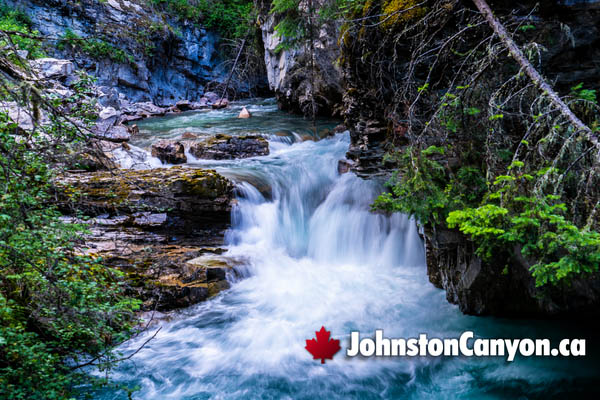
March is one of the best months to visit Johnston Canyon, as the famous canyon remains covered in snow and ice while the creek continues flowing beneath spectacular frozen waterfalls. The combination of towering limestone walls, icy catwalks, and impressive ice formations creates a unique hiking experience that attracts visitors from around the world.

The trail to the Lower Falls is usually well-packed with snow from regular foot traffic, making it accessible for most visitors with proper winter footwear. The route follows steel catwalks attached to the canyon walls, providing dramatic views of the rushing creek below and the frozen cliffs surrounding the canyon.

The Lower Falls are especially beautiful during March. Thick curtains of blue and white ice frame the waterfall while water continues flowing through the centre, creating a striking contrast between frozen and moving water. The viewing tunnel often remains accessible, offering a close-up perspective of one of Banff National Park's most iconic waterfalls.

Continuing to the Upper Falls rewards hikers with even larger ice formations and sweeping canyon views. The waterfall remains partially frozen throughout much of March, with towering columns of ice surrounding the flowing water. The climb to the upper viewpoints is well worth the effort for visitors looking to experience the canyon's most dramatic scenery.

March remains a popular time for ice climbers, who can often be seen scaling the frozen waterfalls near the Upper Falls. Watching experienced climbers ascend the towering walls of ice adds another memorable element to the visit while showcasing the canyon as one of Canada's premier ice climbing destinations.

Trail conditions can be icy throughout the month, particularly during the morning or after fresh snowfall. Ice cleats or traction devices are highly recommended, as they provide excellent grip on packed snow, icy bridges, and the metal catwalks. Waterproof winter boots and warm layered clothing help ensure a comfortable hike.

Wildlife is occasionally seen around Johnston Canyon during March. Elk, mule deer, coyotes, foxes, and a variety of birds are commonly found in the surrounding forests. As the month progresses, black bears may begin emerging from hibernation, making it important to remain aware of your surroundings and follow wildlife safety guidelines.

Photography is outstanding throughout March. Frozen waterfalls, snow-covered canyon walls, crystal-clear ice formations, and the rushing creek create spectacular images from every viewpoint. Morning light often illuminates the canyon beautifully, while fresh snowfall transforms the entire trail into a winter wonderland.

Johnston Canyon in March offers one of the finest late-winter hikes in Banff National Park. The combination of frozen waterfalls, accessible trails, dramatic canyon scenery, and peaceful mountain surroundings makes it an unforgettable destination for visitors exploring the Canadian Rockies before spring fully arrives. Johnston Canyon

Lake Louise in March

Lake Louise in March offers the perfect blend of winter adventure and early spring beauty. From skating on the frozen lake and skiing nearby slopes to photographing spectacular mountain scenery and enjoying peaceful walks along the shoreline, it remains one of the Canadian Rockies' most memorable destinations during the late winter season.

Lake Louise in March

Lake Louise in March

March is one of the most exciting times to visit Lake Louise, as it combines the beauty of winter with the first signs of spring. The lake remains completely frozen, the surrounding mountains are covered in snow, and the longer daylight hours allow visitors more time to enjoy one of the Canadian Rockies' most iconic destinations. Whether you're seeking outdoor adventure or simply breathtaking scenery, Lake Louise offers an unforgettable experience throughout the month.

The frozen lake becomes a natural winter playground during March. Visitors can walk across the snow-covered ice where conditions permit, enjoy spectacular views of Victoria Glacier, or simply relax along the shoreline while taking in the incredible alpine setting. The brilliant white landscape contrasts beautifully with the surrounding mountain peaks.

March is an excellent month for winter activities. Ice skating is often still available on the lake, weather permitting, while nearby cross-country ski trails and snowshoeing routes remain in excellent condition. The Lake Louise Ski Resort also continues to offer outstanding skiing and snowboarding, with reliable snow conditions across its varied terrain.

The famous Fairmont Chateau Lake Louise overlooks the frozen lake and provides a warm place to relax after spending time outdoors. Visitors can enjoy restaurants, cafés, lounges, and comfortable indoor seating while admiring panoramic views through large windows overlooking the lake and Victoria Glacier.

Wildlife becomes increasingly active as spring approaches. Elk, mule deer, coyotes, foxes, and a variety of birds are commonly seen throughout the Lake Louise area. Toward the end of the month, black bears may begin emerging from hibernation, although sightings are still relatively uncommon compared to April and May.

March weather remains very much winter in the mountains. Temperatures frequently stay below freezing, especially during the mornings and evenings, while sunny afternoons may feel noticeably milder. Warm layered clothing, insulated jackets, waterproof winter boots, hats, and gloves are essential for staying comfortable throughout the day.

Photography is exceptional during March. Snow-covered forests, the frozen lake, towering glaciers, and dramatic mountain peaks create stunning compositions from every angle. Early morning often provides calm conditions and beautiful light, while late afternoon casts a warm glow across the snowy landscape.

Although March is a popular time to visit, it is generally less crowded than the peak summer season. Visitors can enjoy many of Lake Louise's famous viewpoints with a more relaxed atmosphere while still benefiting from excellent winter conditions and beautiful scenery.

Lake Louise in March offers the perfect blend of winter adventure and early spring beauty. From skating on the frozen lake and skiing nearby slopes to photographing spectacular mountain scenery and enjoying peaceful walks along the shoreline, it remains one of the Canadian Rockies' most memorable destinations during the late winter season. Banff Lake Louise

Moraine Lake in March

Although Moraine Lake itself is closed to regular visitors during March, the surrounding region remains one of the most beautiful winter destinations in the Canadian Rockies. The peaceful atmosphere, snow-covered mountains, nearby winter activities, and breathtaking scenery make the Lake Louise area well worth visiting while awaiting Moraine Lake's return later in the season.

Moraine Lake in March

Moraine Lake in March

March is one of the quietest months at Moraine Lake, as the lake remains inaccessible to regular visitors due to deep winter conditions. Moraine Lake Road is closed throughout the winter, preventing vehicle access while heavy snow accumulates in the Valley of the Ten Peaks. Although the lake itself cannot be reached by most visitors, the surrounding mountains remain buried beneath deep snow, creating one of the most pristine alpine landscapes in Banff National Park.

The road closure is necessary because of significant avalanche risk along the route. Large snowpacks build throughout the winter on the steep mountain slopes above Moraine Lake Road, making travel unsafe until spring conditions improve and avalanche control work has been completed. As a result, the lake remains isolated for much of the winter season.

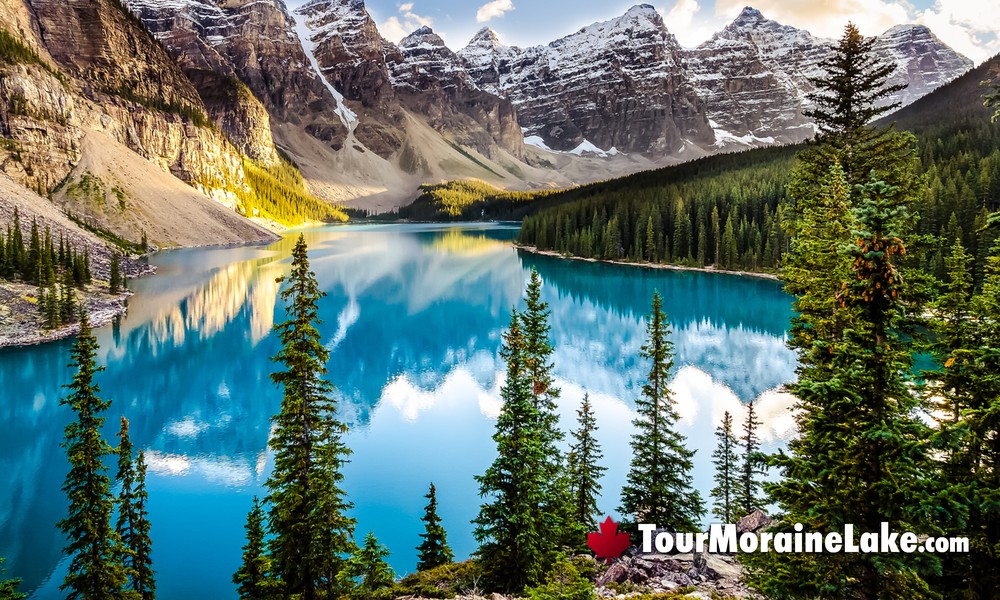
March is not the time to see Moraine Lake's famous turquoise waters. The lake remains frozen beneath snow and ice, with the surrounding peaks completely covered in snow. Instead of the vibrant blue colours of summer, the area is transformed into a dramatic alpine wilderness dominated by white mountain landscapes.

While Moraine Lake is generally inaccessible, visitors can still enjoy many other spectacular destinations in the Lake Louise area. Lake Louise itself remains open throughout March, offering opportunities for sightseeing, skating, skiing, snowshoeing, wildlife viewing, and photography, making it an excellent alternative during the winter months.

Wildlife continues to inhabit the surrounding valleys during March. Elk, mule deer, coyotes, foxes, wolves, and a variety of mountain birds are active throughout lower elevations. Toward the end of the month, black bears may begin emerging from hibernation, although sightings remain relatively uncommon.

March weather in this part of Banff National Park remains firmly winter-like. Heavy snow, freezing temperatures, and occasional storms are still common, particularly at higher elevations around Moraine Lake. The Valley of the Ten Peaks typically remains buried beneath deep snow until well into the spring.

Photography opportunities around Lake Louise and nearby viewpoints remain exceptional throughout March. Snow-covered forests, frozen lakes, dramatic mountain peaks, and crystal-clear winter skies create spectacular images that showcase a completely different side of the Canadian Rockies compared to the summer season.

Visitors planning to see Moraine Lake should consider returning later in the year after the seasonal road reopens. During the summer and early autumn, the lake becomes famous for its brilliant turquoise water, canoeing opportunities, hiking trails, and the iconic Rockpile viewpoint that overlooks one of the most photographed landscapes in Canada.

Although Moraine Lake itself is closed to regular visitors during March, the surrounding region remains one of the most beautiful winter destinations in the Canadian Rockies. The peaceful atmosphere, snow-covered mountains, nearby winter activities, and breathtaking scenery make the Lake Louise area well worth visiting while awaiting Moraine Lake's return later in the season. Moraine Lake

March at Peyto Lake

Peyto Lake in March offers an unforgettable late-winter experience along the Icefields Parkway. Although the lake remains frozen until later in the spring, its peaceful atmosphere, spectacular mountain scenery, abundant wildlife, and incredible photography opportunities make it one of the Canadian Rockies' finest winter viewpoints.

March at Peyto Lake

March at Peyto Lake

March is one of the most beautiful months to visit Peyto Lake, as the lake remains frozen beneath a thick blanket of snow while the surrounding mountains continue to showcase the spectacular beauty of the Canadian Rockies. The combination of winter scenery and longer daylight hours makes March an excellent time to stop along the Icefields Parkway.

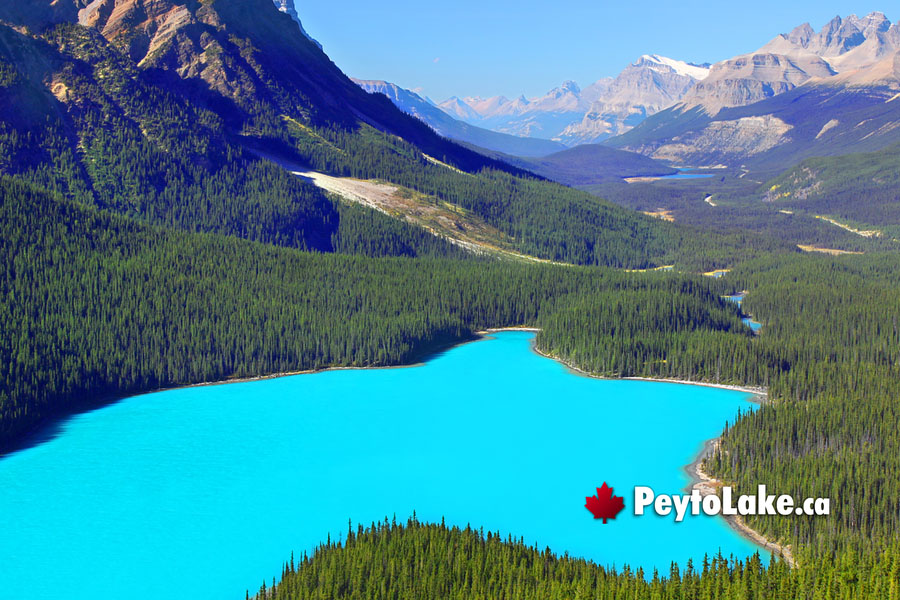
The famous turquoise waters of Peyto Lake remain hidden beneath ice and snow throughout March, transforming the landscape into a striking winter panorama. Although the lake's distinctive wolf-head shape is less visible during this season, the sweeping mountain views from the main viewpoint remain breathtaking.

The main viewing platform is generally accessible during March, although the short walk from the parking area is often covered with packed snow and ice. Waterproof winter boots with good traction are strongly recommended, and many visitors choose to wear ice cleats for added stability on slippery sections of the trail.

March offers a quieter experience compared to the busy summer season. Visitors can often enjoy the viewpoint without large crowds, making it easier to appreciate the peaceful surroundings, crisp mountain air, and spectacular alpine scenery.

The drive to Peyto Lake along the Icefields Parkway is a highlight in itself. Snow-covered forests, frozen rivers, towering peaks, and dramatic glaciers create incredible scenery throughout the journey. As daylight hours continue to increase, visitors have more time to stop at viewpoints and enjoy one of the world's most scenic mountain highways.

Wildlife becomes more active during March as spring slowly approaches. Bighorn sheep, mountain goats, elk, mule deer, coyotes, foxes, wolves, and a variety of birds may be seen throughout the surrounding valleys and mountain slopes. Early morning and late afternoon often provide the best wildlife viewing opportunities.

March weather remains firmly winter-like at Peyto Lake's high elevation. Temperatures frequently stay below freezing, and strong winds can make the viewpoint feel significantly colder. Warm layered clothing, insulated jackets, hats, gloves, and waterproof winter boots are essential for a comfortable visit.

Photography conditions are exceptional throughout the month. Fresh snow highlights the rugged mountain landscape, while clear skies often provide outstanding visibility across the surrounding peaks. Sunrise and late afternoon light create beautiful colours on the snow-covered mountains, making March one of the best times to capture dramatic winter photographs.

Peyto Lake in March offers an unforgettable late-winter experience along the Icefields Parkway. Although the lake remains frozen until later in the spring, its peaceful atmosphere, spectacular mountain scenery, abundant wildlife, and incredible photography opportunities make it one of the Canadian Rockies' finest winter viewpoints. Peyto Lake

Spirit Island During March

Photography opportunities remain exceptional despite the inability to visit Spirit Island itself. The frozen lake, snow-covered shoreline, towering mountain peaks, and crystal-clear mountain air create stunning landscapes throughout the day. Early morning and late afternoon light often produces beautiful colours across the surrounding mountains and forests.

Spirit Island During March

Spirit Island During March

Spirit Island is not accessible during March because Maligne Lake remains frozen and the Maligne Lake Boat Cruise does not operate during the late winter season. Since the island can only be reached by boat during the warmer months, visitors are unable to visit one of Jasper National Park's most famous landmarks throughout March.

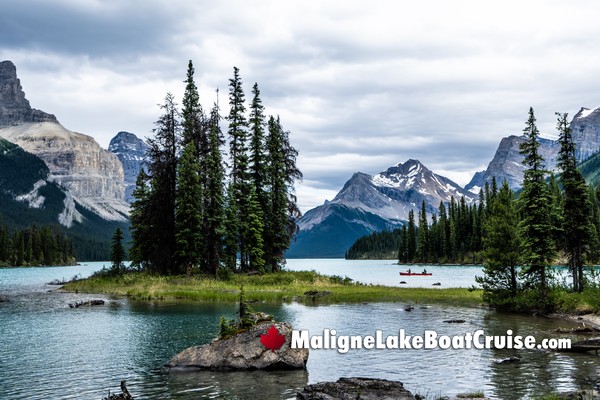
Although Spirit Island cannot be reached, the Maligne Lake area is still one of the most spectacular places to experience the Canadian Rockies in late winter. The frozen lake stretches beneath the towering Queen Elizabeth Ranges, creating a peaceful landscape of snow-covered mountains, evergreen forests, and pristine alpine wilderness.

The famous viewpoint overlooking Spirit Island lies many kilometres from the lakeshore and remains inaccessible during March. Deep snow, unstable ice conditions, and avalanche-prone terrain make the area unsuitable for casual travel. Visitors should remain within the designated areas near the lake and avoid venturing onto the frozen lake.

The drive to Maligne Lake is often one of the highlights of a March visit. Maligne Lake Road winds through beautiful forests and mountain valleys where snow still blankets the landscape. The route offers numerous opportunities to admire the scenery and enjoy one of Jasper National Park's most picturesque drives.

Wildlife viewing is excellent throughout the Maligne Valley during March. Elk, mule deer, moose, bighorn sheep, coyotes, foxes, wolves, and a variety of birds are commonly seen along the road and in nearby meadows. As spring gradually approaches, animal activity increases, making March one of the better months for wildlife photography.

March weather remains firmly winter-like around Maligne Lake. Temperatures frequently stay below freezing, especially during the mornings and evenings, while snowstorms are still possible throughout the month. Visitors should wear warm layered clothing, insulated jackets, hats, gloves, and waterproof winter boots to stay comfortable.

Photography opportunities remain exceptional despite the inability to visit Spirit Island itself. The frozen lake, snow-covered shoreline, towering mountain peaks, and crystal-clear mountain air create stunning landscapes throughout the day. Early morning and late afternoon light often produces beautiful colours across the surrounding mountains and forests.

Visitors planning to experience Spirit Island should return later in the spring or summer when the Maligne Lake Boat Cruise resumes operations. During the warmer months, the cruise carries visitors across the lake to the famous island, where its turquoise waters and spectacular mountain backdrop create one of the most photographed scenes in the Canadian Rockies.

Although Spirit Island cannot be visited during March, the Maligne Lake area remains one of Jasper National Park's most rewarding winter destinations. The peaceful atmosphere, dramatic alpine scenery, abundant wildlife, and unforgettable mountain landscapes make it well worth the journey before the arrival of the summer boating season. Spirit Island

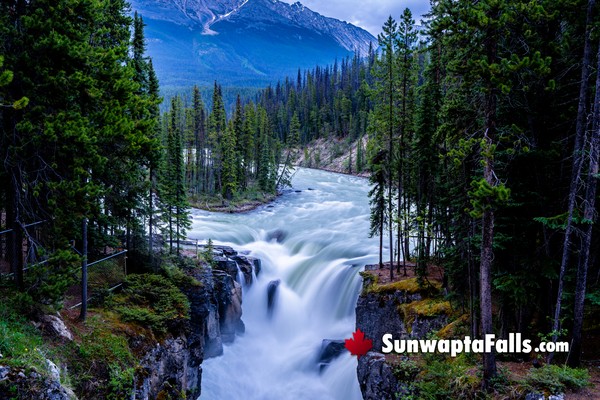
Sunwapta Falls in March

Sunwapta Falls in March offers one of the finest late-winter experiences in the Canadian Rockies. The powerful waterfall, remarkable ice formations, peaceful surroundings, abundant wildlife, and spectacular mountain scenery make it an unforgettable stop for anyone traveling the Icefields Parkway before spring fully arrives.

Sunwapta Falls in March

Sunwapta Falls in March

March is one of the most spectacular months to visit Sunwapta Falls, as winter still firmly grips the landscape while the first signs of spring begin to emerge. The waterfall continues rushing through the narrow canyon beneath towering ice formations, creating an unforgettable display of moving water surrounded by frozen cliffs and snow-covered forests.

Unlike waterfalls that freeze almost completely during the winter, Sunwapta Falls continues flowing throughout March. The powerful current carves through the ice while frozen spray forms thick walls of ice and long icicles along the canyon. The combination of flowing water and massive ice formations creates one of the most dramatic natural scenes along the Icefields Parkway.

The main viewing bridge offers excellent views of the falls during March. From this safe vantage point, visitors can admire the powerful river, the frozen canyon, and the surrounding mountain scenery. Fresh snowfall often transforms the area into a true winter wonderland, making every viewpoint especially picturesque.

March is generally a peaceful time to visit. With fewer travelers exploring the Icefields Parkway compared to the busy summer season, visitors can enjoy the sound of rushing water and the quiet beauty of the surrounding wilderness without large crowds.

Walking paths and viewing areas are often covered with packed snow and ice throughout the month. Waterproof winter boots with good traction are highly recommended, and many visitors find ice cleats helpful for navigating slippery surfaces. Remaining on designated trails and behind safety barriers is important, as icy conditions near the canyon can be hazardous.

Wildlife becomes increasingly active during March. Bighorn sheep, mountain goats, elk, mule deer, coyotes, foxes, wolves, and a variety of birds may be seen throughout the Sunwapta Valley. Early morning and late afternoon often provide the best opportunities for wildlife viewing along the Icefields Parkway.

Weather conditions remain very much winter-like. Temperatures frequently stay below freezing, and strong mountain winds can make the area feel considerably colder. Warm layered clothing, insulated jackets, waterproof outerwear, hats, gloves, and sturdy winter boots are essential for a comfortable visit.

Photography is exceptional during March. Towering ice formations, snow-covered evergreens, rushing water, and rugged mountain backdrops create stunning images from every angle. The softer light of early morning and late afternoon enhances the blue tones of the ice and the warm colours reflecting off the surrounding peaks.

Sunwapta Falls in March offers one of the finest late-winter experiences in the Canadian Rockies. The powerful waterfall, remarkable ice formations, peaceful surroundings, abundant wildlife, and spectacular mountain scenery make it an unforgettable stop for anyone traveling the Icefields Parkway before spring fully arrives. Sunwapta Falls

Banff, Alberta Map

Banff National Park

Contact Banff March.com

Click to Contact Us